Chicago Symposium on Computational Neuroscience
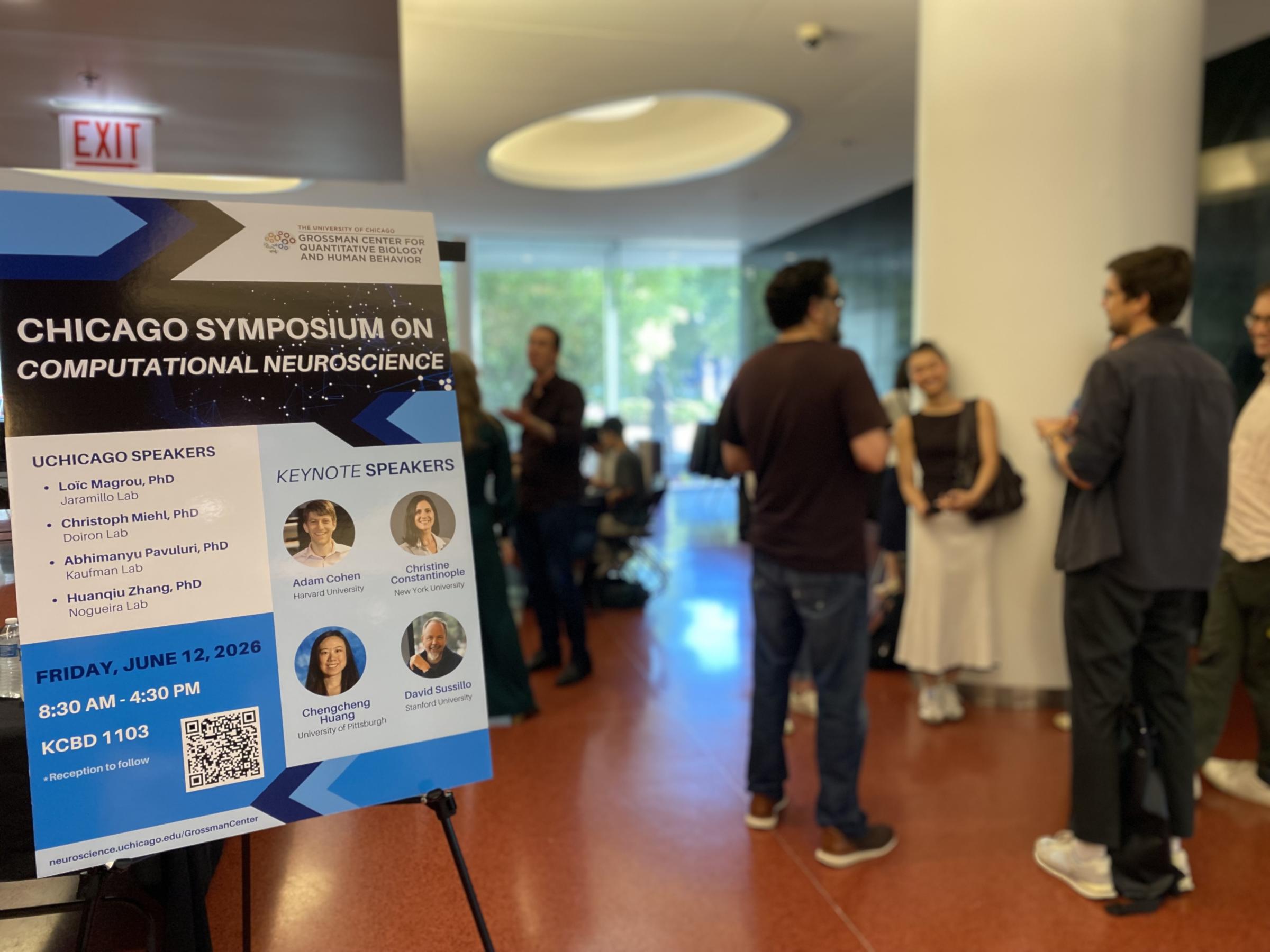
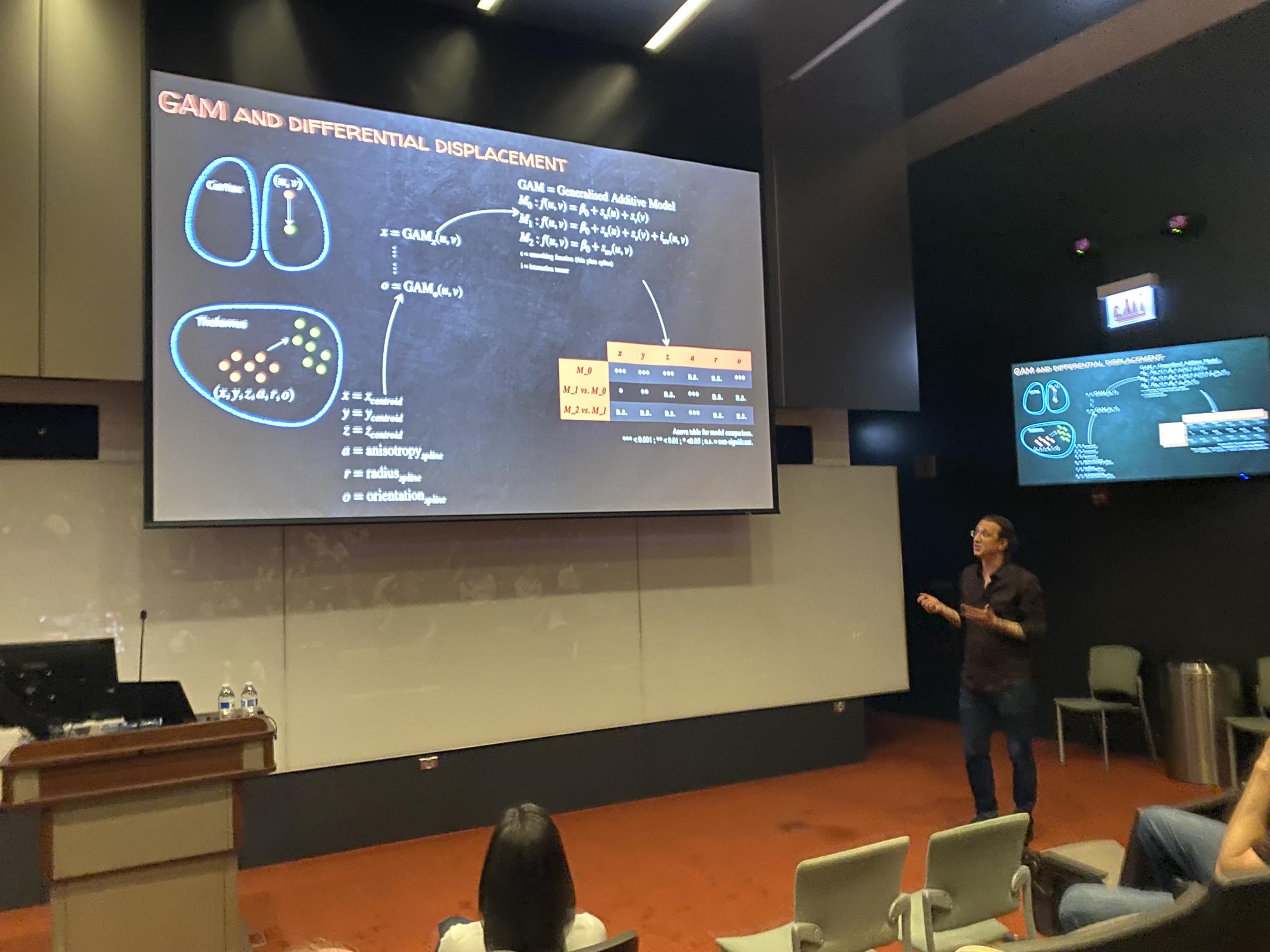
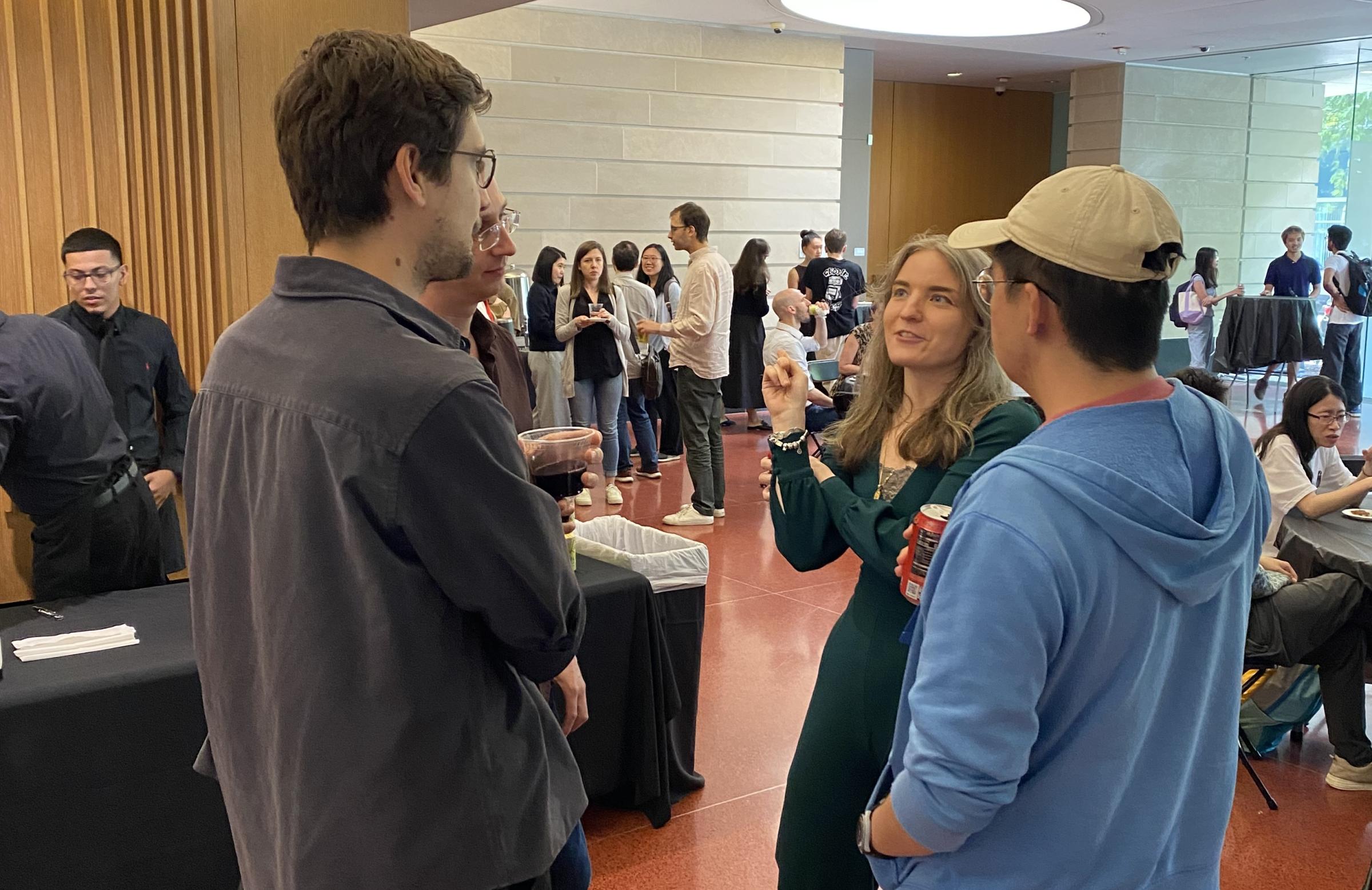
In June of 2026, the Grossman Center hosted the 2nd Chicago Symposium on Computational Neuroscience.
The symposium brought together leading researchers at the intersection of neuroscience, computation, and machine learning. The program featured keynote talks from Adam Cohen (Harvard University), Christine Constantinople (New York University), Chengcheng Huang (University of Pittsburgh), and David Sussillo (Stanford University), highlighting cutting-edge advances in neural circuit dynamics, decision-making, and data-driven brain modeling.
The event also included talks by UChicago speakers Loïc Magrou, PhD (Jaramillo Lab), Christoph Miehl, PhD (Doiron Lab), Abhimanyu Pavuluri, PhD (Kaufman Lab), and Huanqiu Zhang, PhD (Nogueira Lab).

Theory is an essential guide in the search for new knowledge. This philosophy is alive in the neurosciences, yet a theory of the mind is in its infancy, and much work lies ahead. To become a leader in this space, the Grossman Center for Quantitative Biology and Human Behavior aims to build, harness, and focus on academic excellence across the scientific disciplines at the University of Chicago. Computational techniques provide essential tools that organize and interpret vast neuroscience datasets and provide theoretical frameworks that bridge diverse scales of inquiry, from synapses and neurons found in all animals to the cognitive power of the human mind.
The Grossman Center will develop and expand cutting-edge quantitative methods poised to probe the nervous system and foster deep collaborations with experimental groups to test emerging theories of the brain. To accomplish this, the Grossman Center houses a team of world-class computational scientists that act as a nexus for the quantitative thought about the brain spanning the divisions and departments across the University of Chicago.




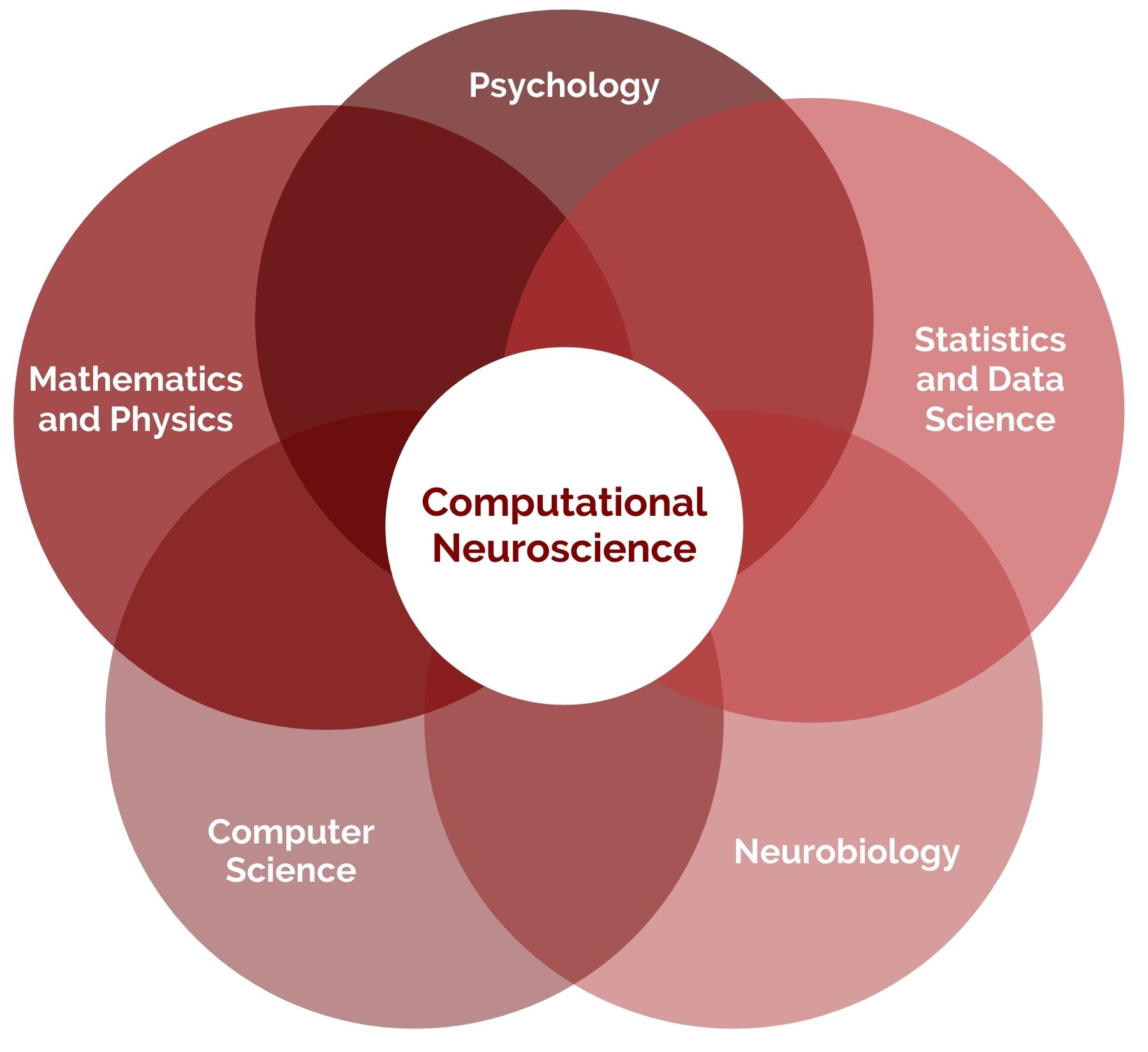
Unraveling the mysteries of the brain is one of the grand scientific challenges of our time. True progress will require an unprecedented academic 'melting pot' that integrates traditions across the sciences.